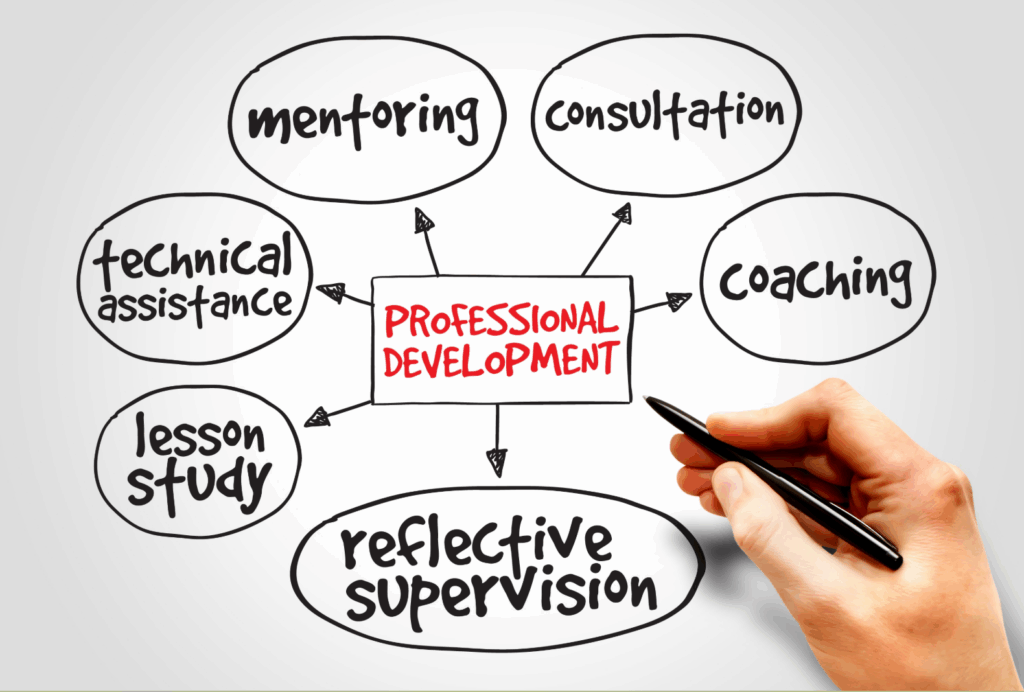
With over 16 years of experience in education as a psychotherapist and trauma therapist-qualified coach, I know that “supervision” in education often evokes images of performance reviews or administrative check-ins. But what if I told you there’s a form of supervision that isn’t about telling you what to do but about empowering you to be your best, most resilient professional self?
This is Professional Reflective Supervision, and it’s a vital, often overlooked, resource for experienced educators, especially those balancing complex roles. It’s a confidential space designed not for judgment but for growth, support and ethical clarity.
What is Reflective Supervision (Especially for YOU)?
For experienced professionals like us, those who understand the complexities of educational processes and shoulder both academic and pastoral duties, reflective supervision incorporates three key functions:
1. The “Formative” Aspect: Deepening Self-Awareness and Skill
This function transforms professional experience into intentional expertise. It moves the focus from doing the job to understanding how you do the job. Supervision helps you deepen your self-awareness and refine your methods by providing the space to:
Chart future growth: Identify complex areas that require new learning, ensuring your professional development is strategic and targeted.
Interrogate your interventions: Carefully explore a challenging interaction to learn what you did, how it was received, and why you chose that approach.
Validate knowledge: Connect your on-the-ground experience directly to the established theoretical models of coaching and counselling.
2. The “Qualitative” Aspect: Upholding Standards and Ethics When you’re deeply embedded in an educational setting, ethical dilemmas can be subtle and complex. This function helps you:
- Navigate boundaries – especially when blending counselling/coaching skills with an institutional role.
- Ensure adherence to safeguarding policies and professional codes of conduct.
- Maintain the highest quality of service for students, even in high-pressure situations. The Goal: Protecting both you and your organisation by ensuring professional, ethical, and legally compliant practice.
3. The “Supportive” Aspect: Nurturing Your Well-being Let’s be honest: education is demanding, and the emotional toll can be significant. This is a safe space to:
- Process the emotional impact of difficult cases or challenging dynamics.
- Offload stress and prevent burnout before it takes hold.
- Rebuild resilience and find renewed energy for your demanding role. The Goal: Protecting your mental and emotional health, ensuring you can sustain your passion for education without depletion.
The Ripple Effect: How Reflective Supervision Benefits ALL Staff
Imagine if this supportive, developmental approach permeated your entire institution. The benefits for staff members, especially those working closely with students’ emotional and developmental needs, are profound:
- Boosted Well-being & Retention: Staff feel seen, heard, and supported. This significantly reduces stress, prevents burnout, and increases job satisfaction, making them more likely to stay.
- Enhanced Professional Practice: Supervision encourages deep reflection. Staff move beyond what they did to how they did it, fostering critical thinking and continuous improvement in their daily interactions.
- Ethical & Safe Boundaries: A dedicated supervisor helps staff navigate complex ethical situations, maintaining professional boundaries and ensuring the safety and well-being of both themselves and the students.
- Targeted Skill Development: By reflecting on real-world scenarios, specific skill gaps can be identified, leading to highly relevant and effective professional development.
- A Culture of Care & Growth: When supervision is integrated, it signals that the organisation values its staff’s professional and personal development, fostering a more open, collaborative, and learning-focused environment.